Not a road trip, and not a tour. A karwaan — a slow caravan through passes, border villages, high lakes and the darkest skies in India.
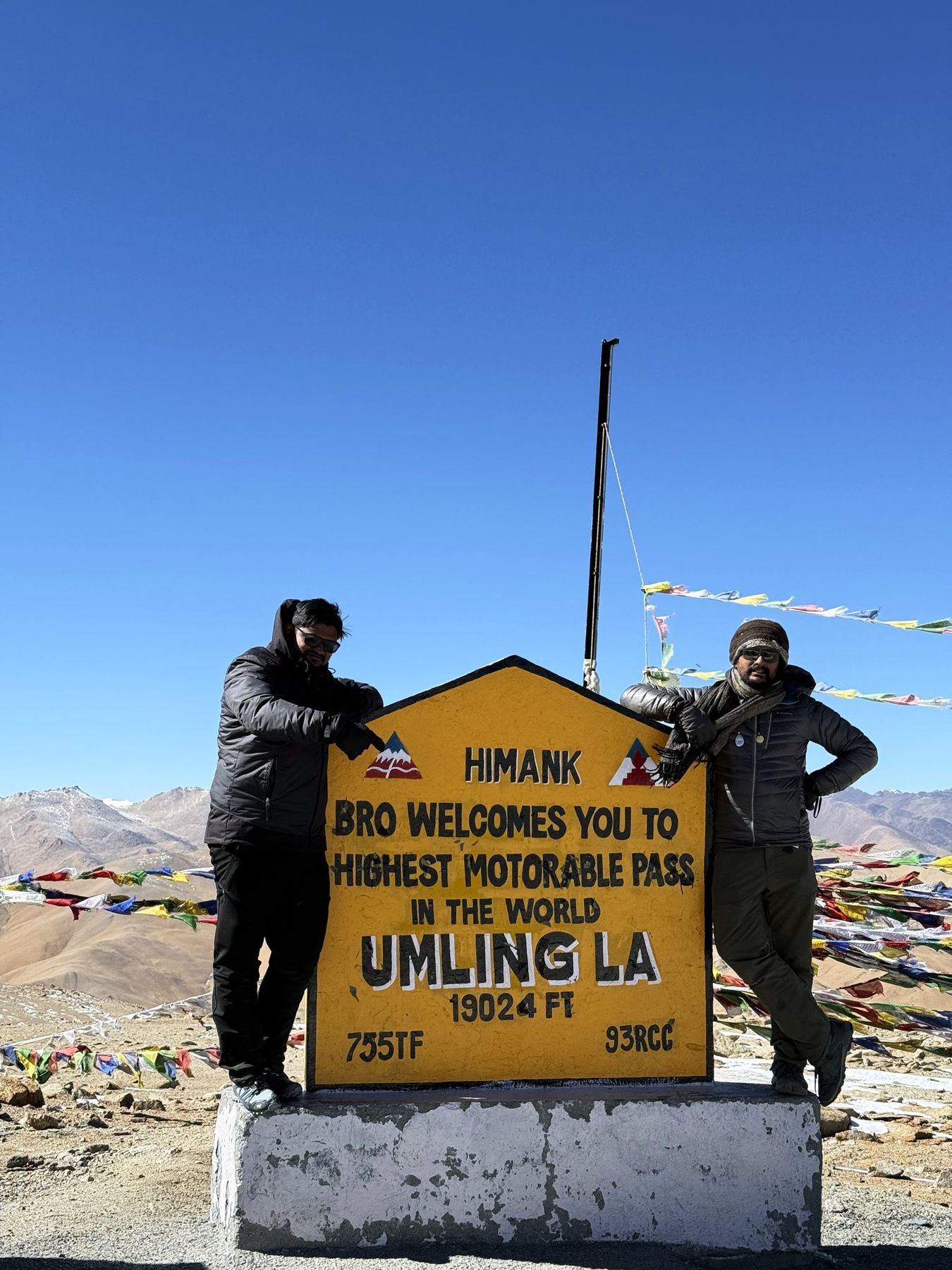
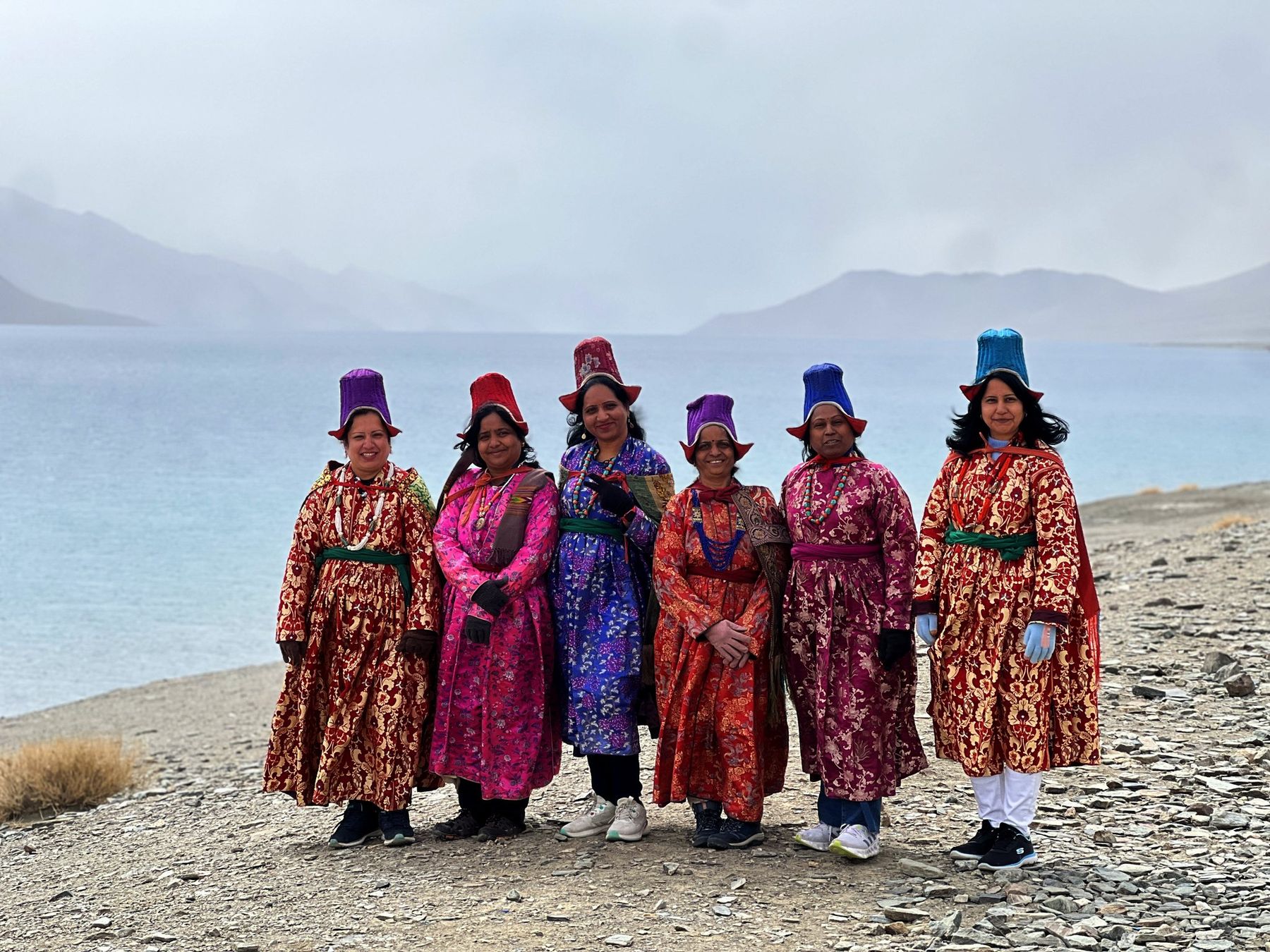
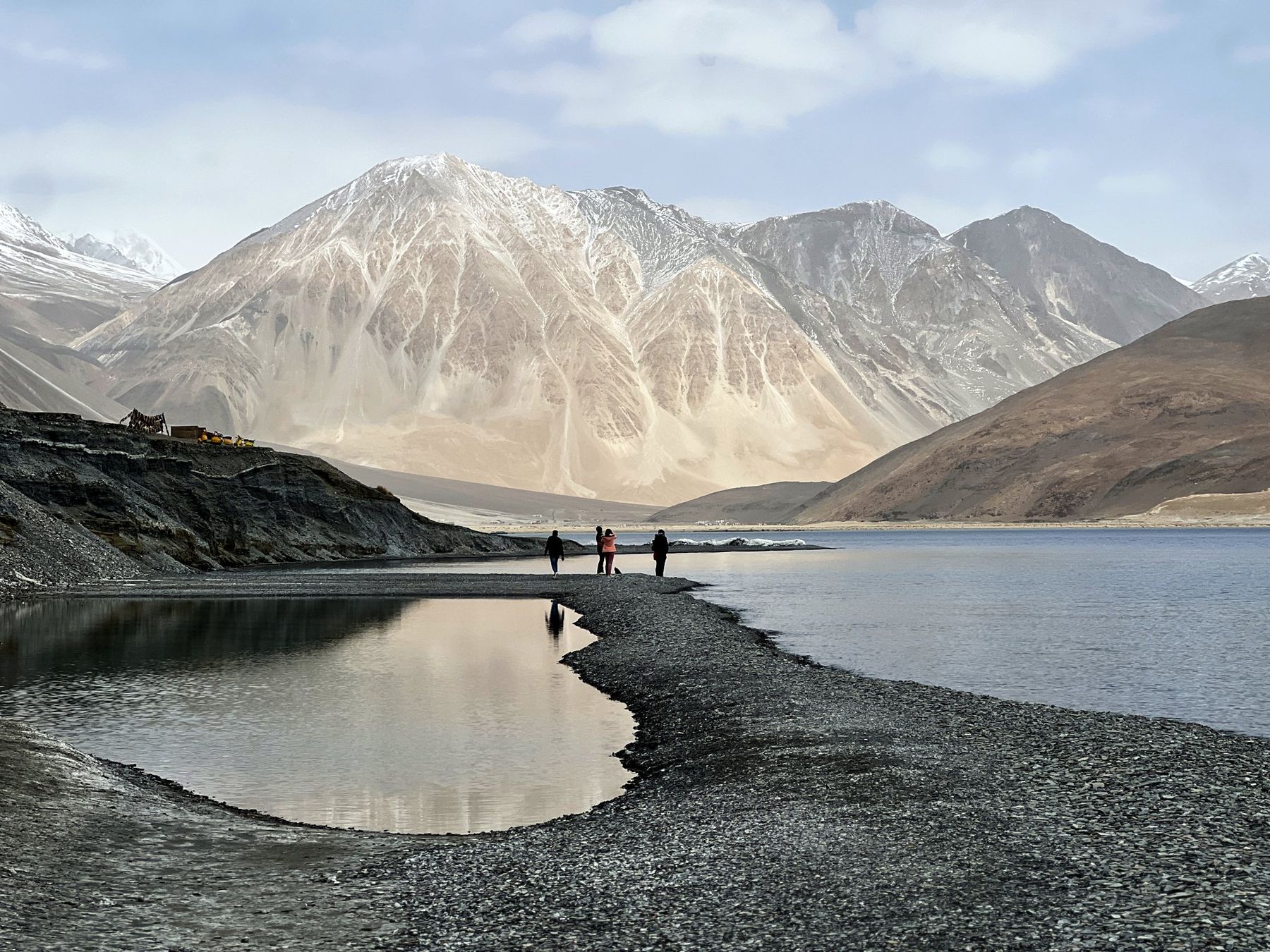
Ladakh Karwaan is a slow-paced journey across three of Ladakh's five districts — Leh to Nubra to the Changthang and back. We travel by SUV, five to a vehicle, staying in guesthouses and homestays, easing into altitude before anything else. The route reads like a Ladakhi poem: Sangam's meeting rivers, Khardung La, the dunes of Hunder, Balti Turtuk on the border, Pangong's shifting blues, two homestay nights in Hanle beneath a natural observatory sky, the world's second-highest motorable pass at Umling La, Tso Moriri and Puga's steaming valley — and Leh again for a farewell that never quite ends. No trekking, no rush; only light walking, long views, and time to actually be here.
The flow of the journey
Days 1–2Leh — arrive, slow down, acclimatise
Monasteries, old markets and mountain views: a gentle introduction while the body learns the altitude.
Days 3–4Over Khardung La into Nubra
Sangam's twin rivers, then the pass — down into Hunder's dunes and Balti Turtuk near the border.
Days 5–6Pangong to Hanle
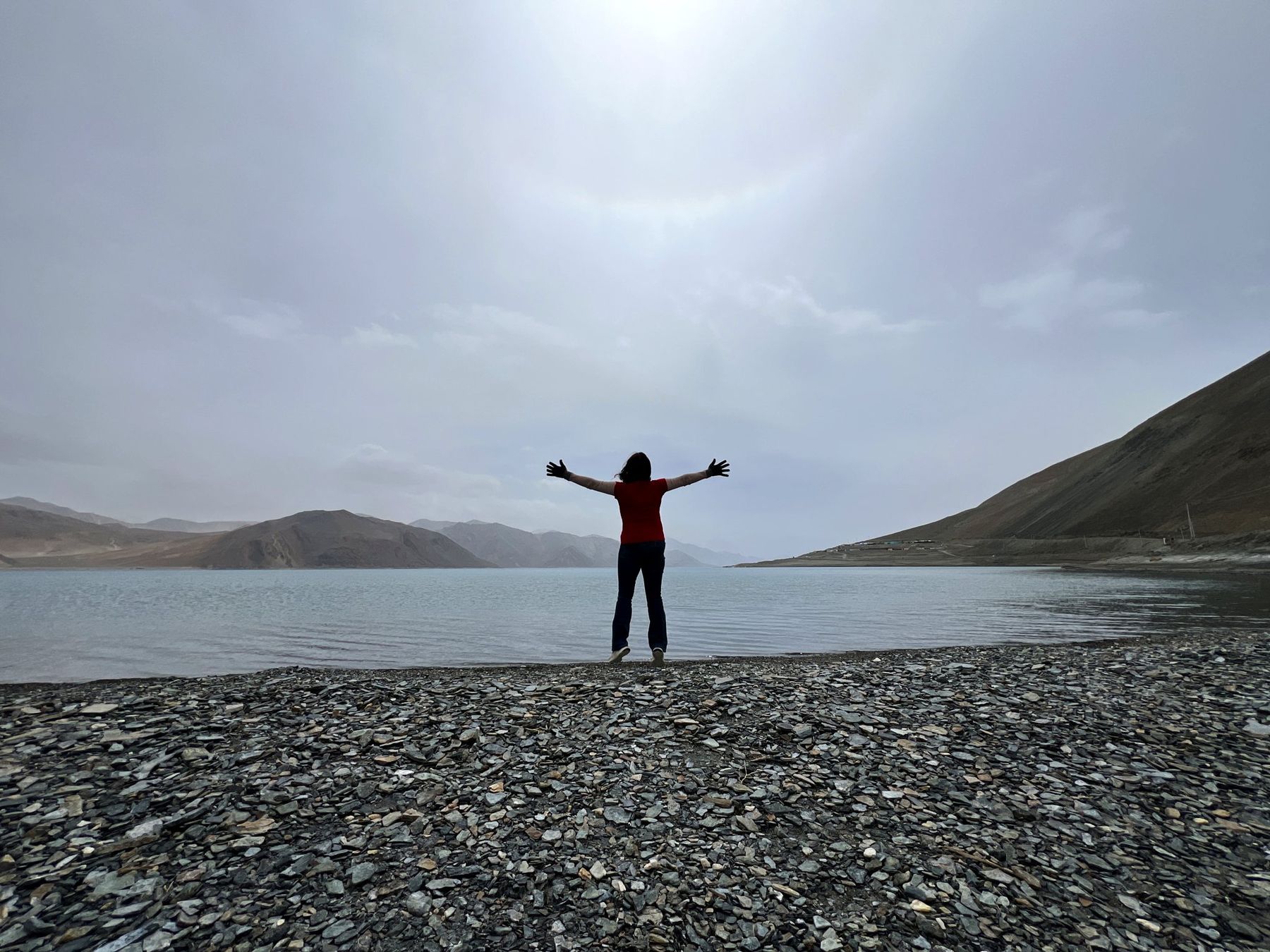
The lake of shifting blues, then two homestay nights in Hanle under some of the darkest skies in India.
Days 7–8Umling La & the high plateau
The world's second-highest motorable pass, and the vast stillness of the Changthang.
Days 9–10Tso Moriri, Puga & farewell Leh
A pristine lake, a steaming geothermal valley, and one last evening of stories in Leh.
*Weather, roads and mountain life shape the final line — flexibility is part of the journey.
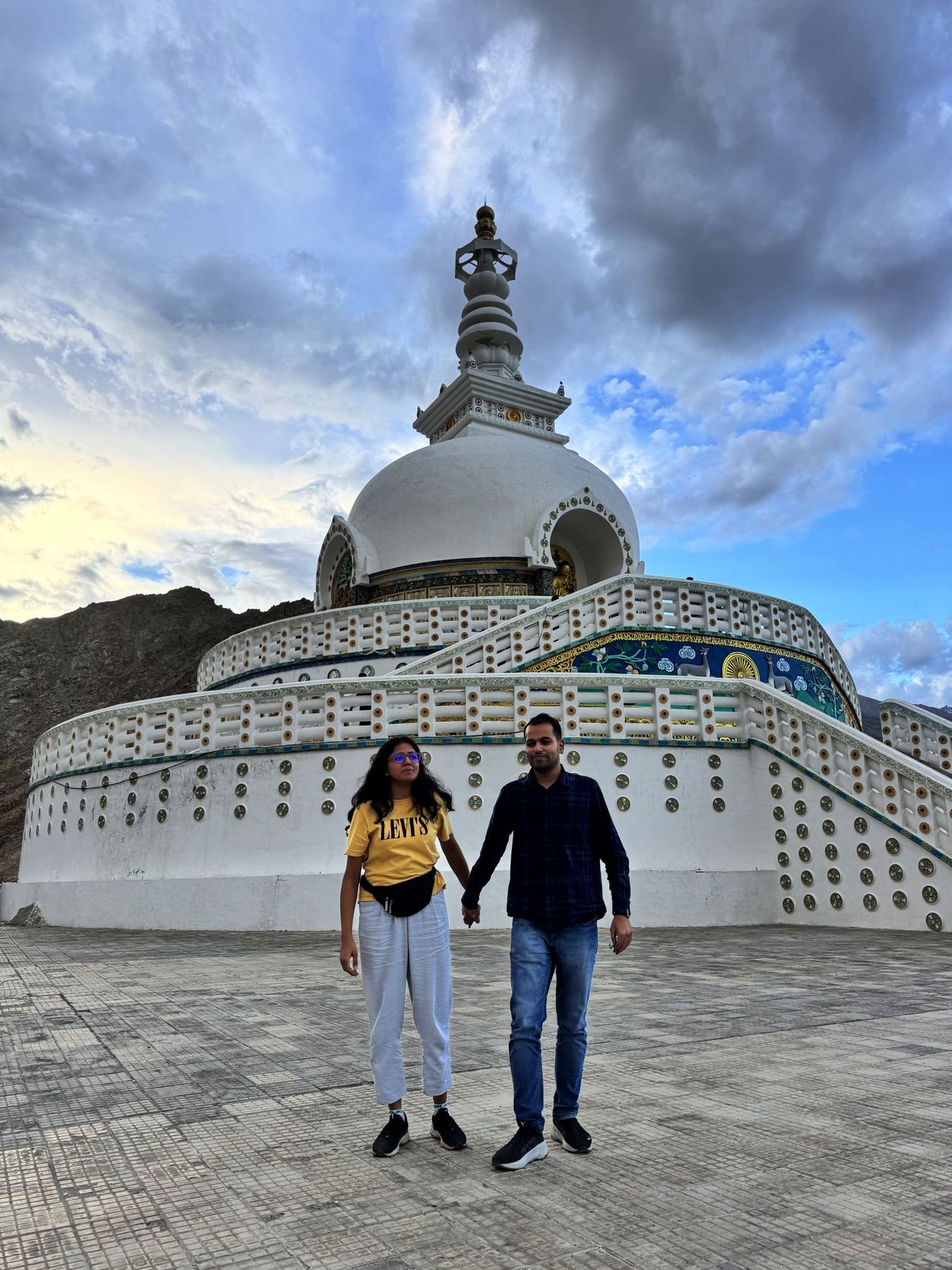
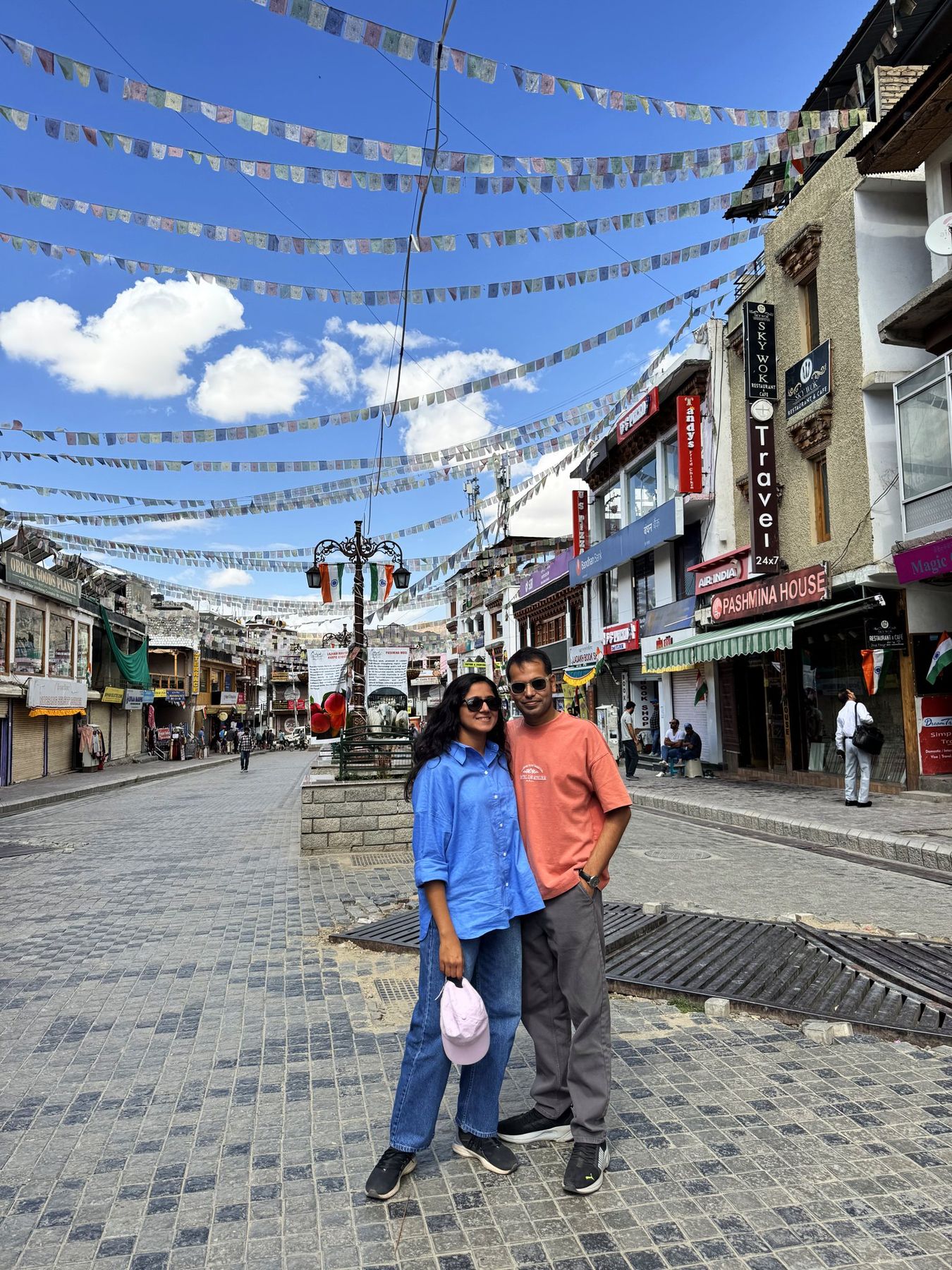
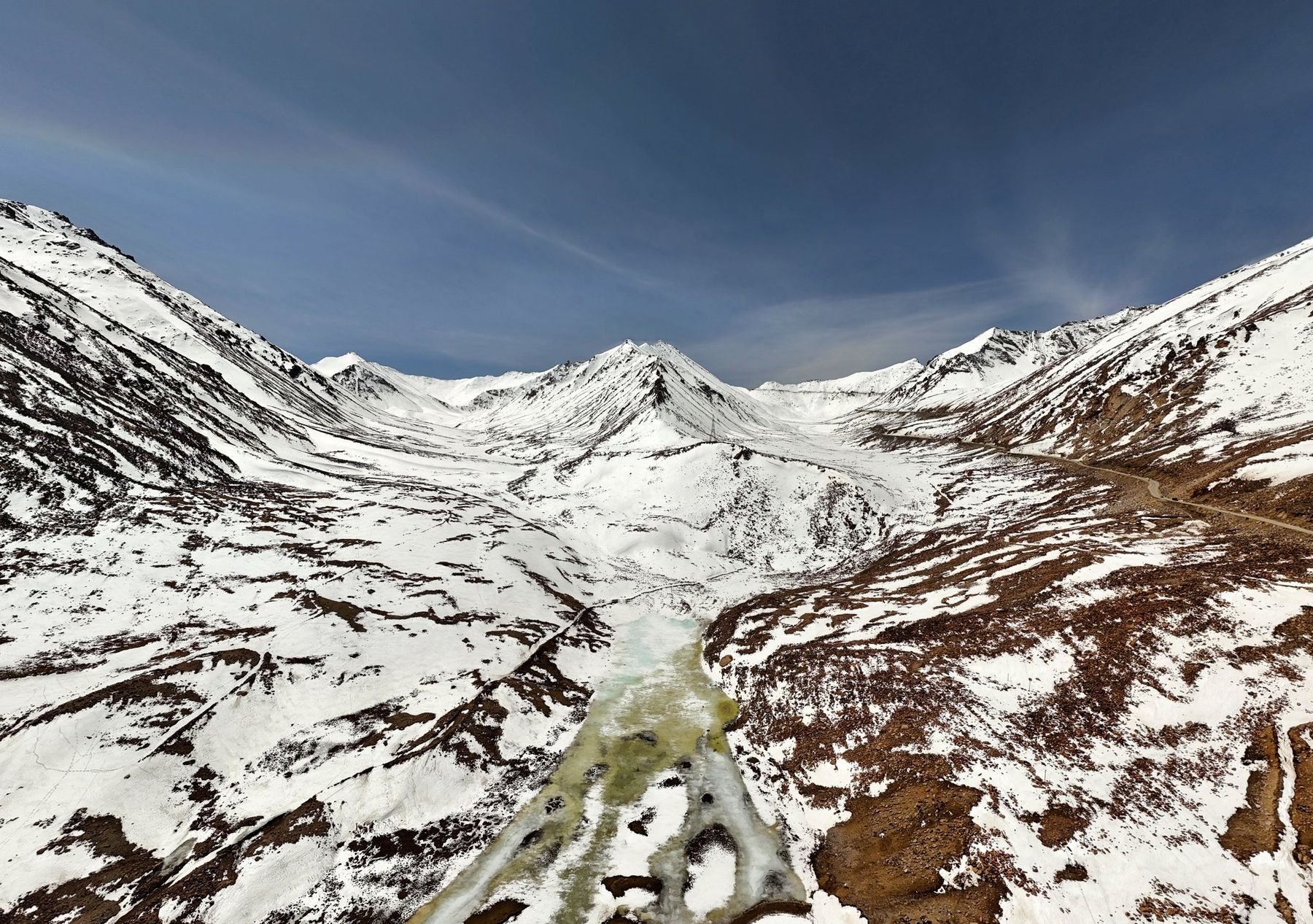
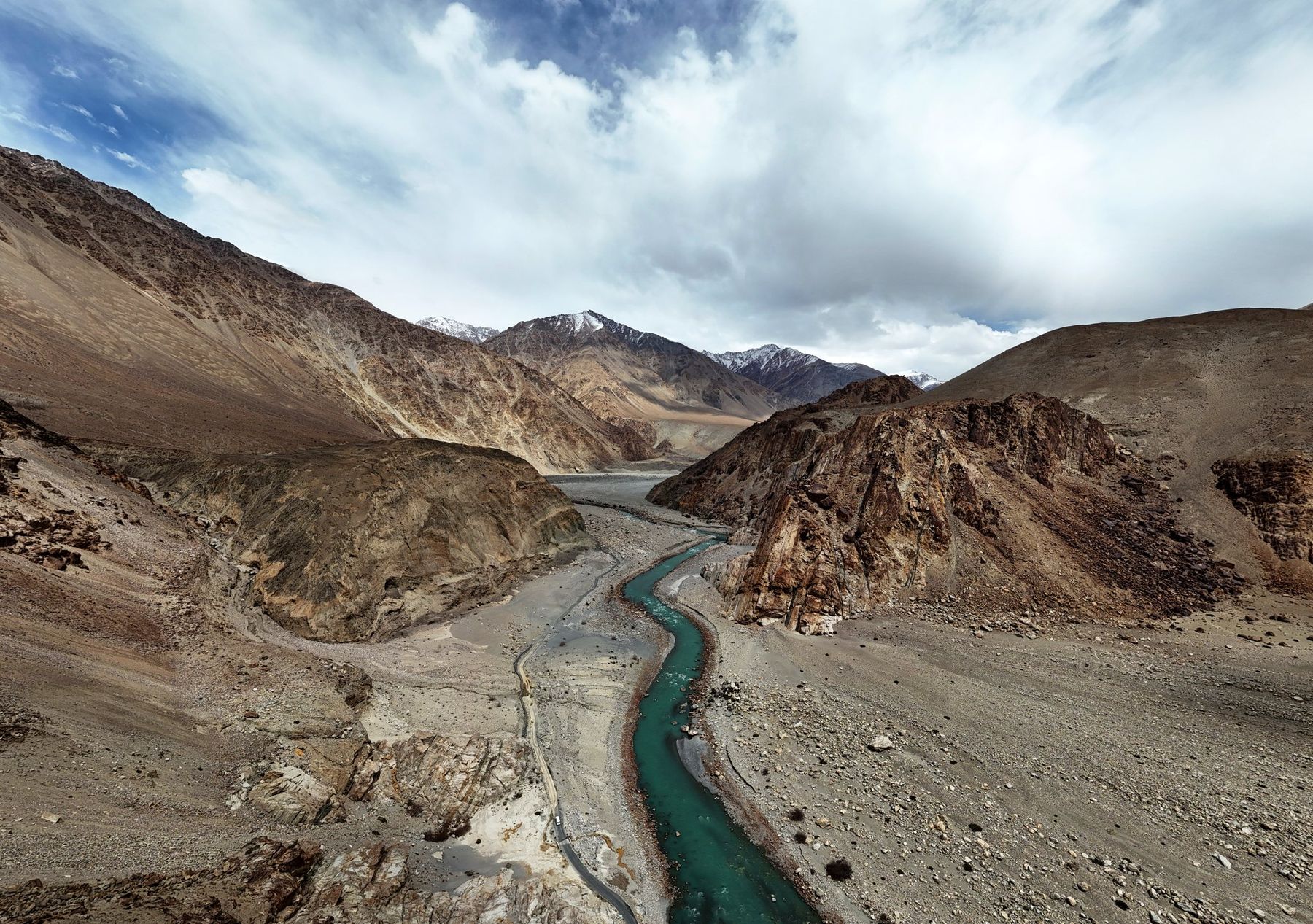
Moments from this journey
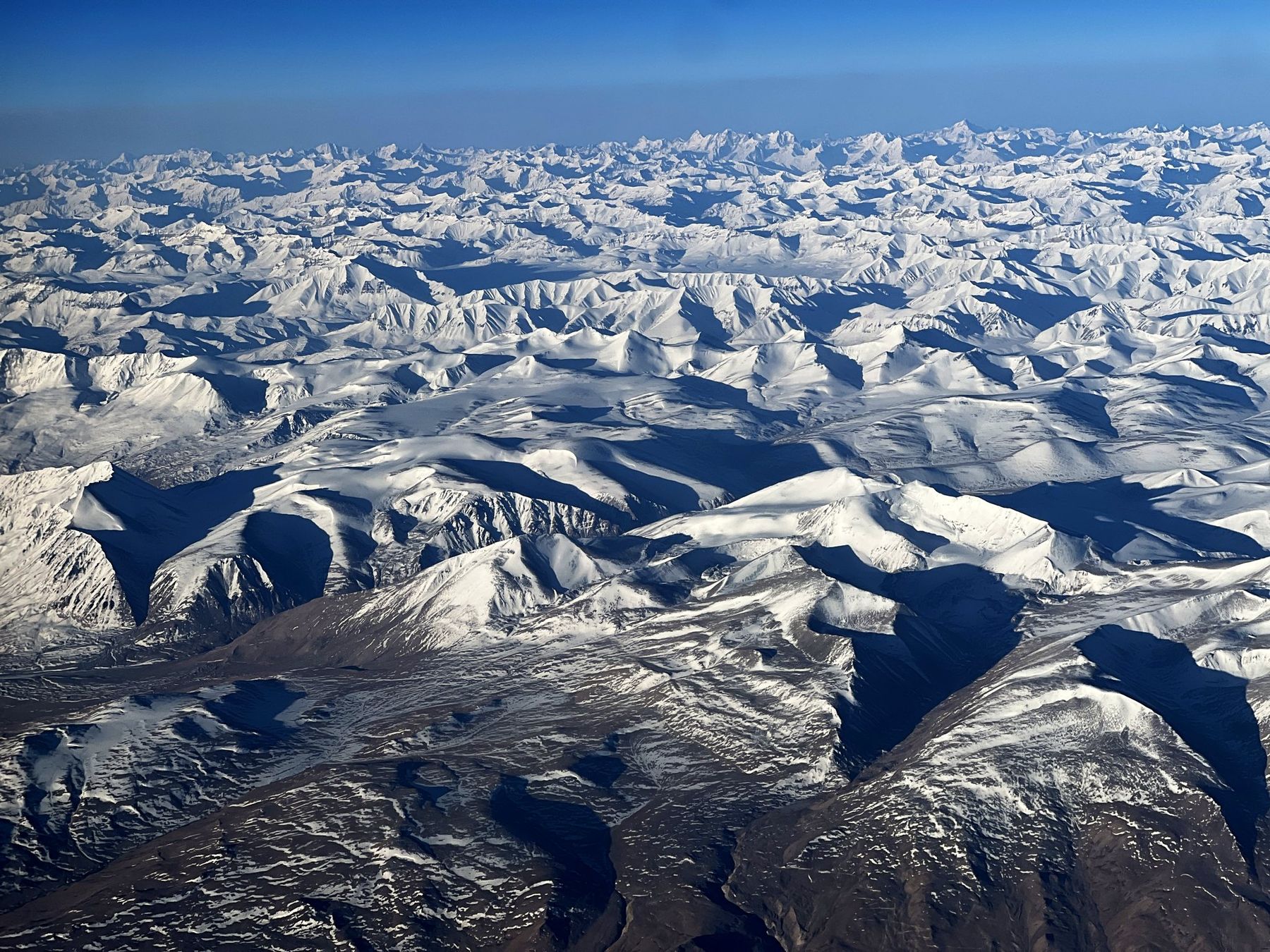
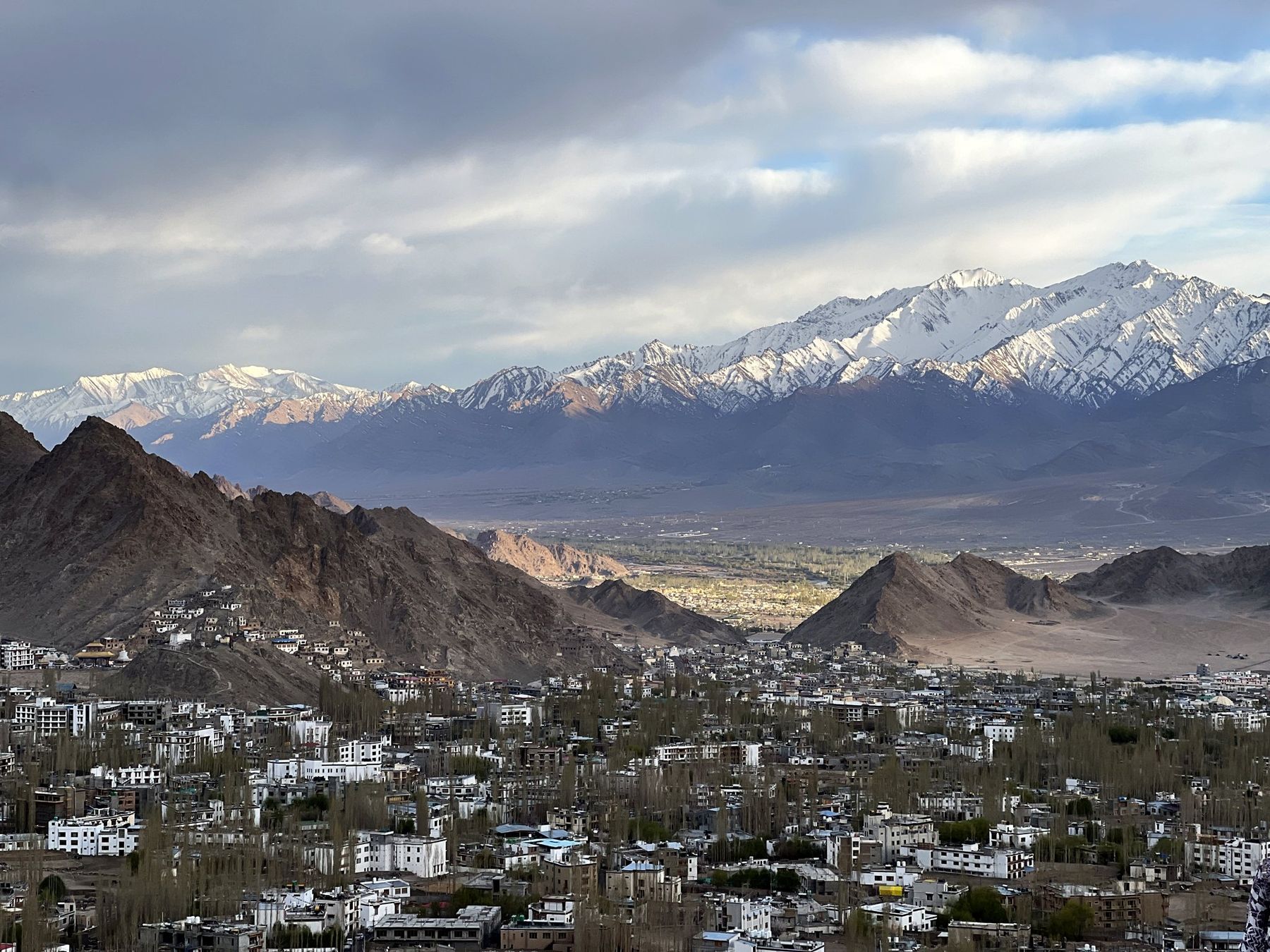
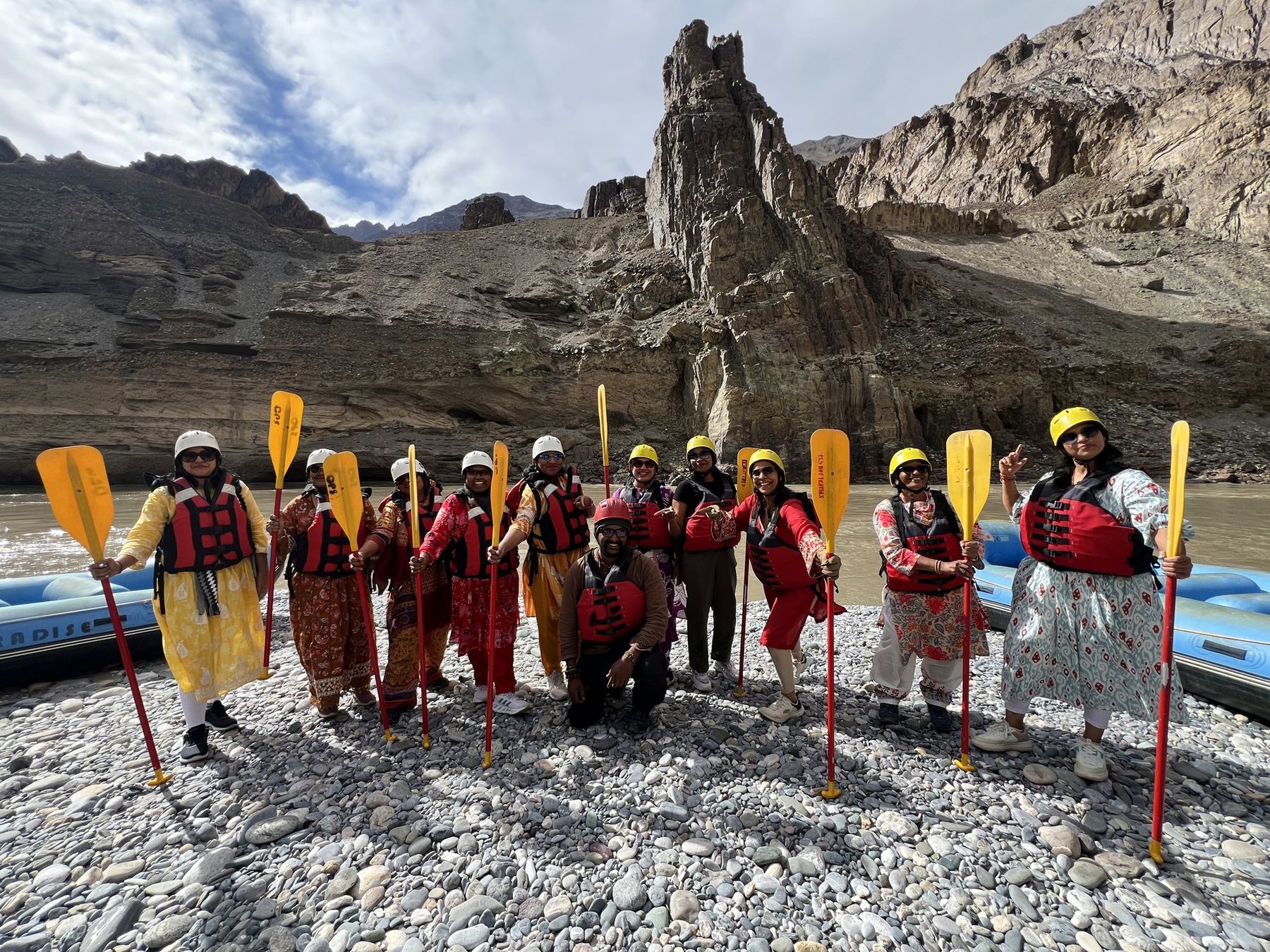
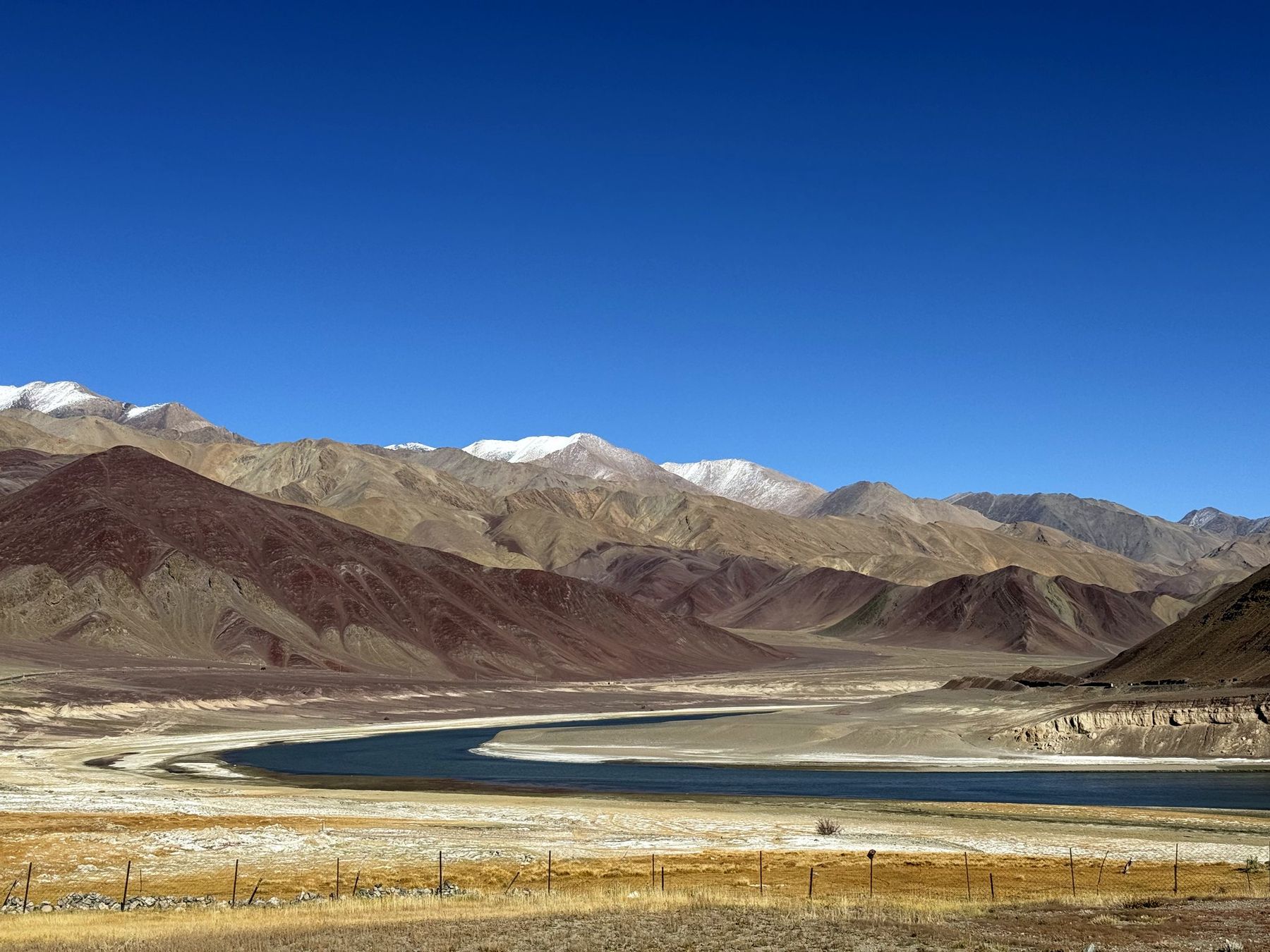
A voice from the road
“I had a wonderful time with the EcoHikes team — 10 days well spent in the Himalayan range. Manohar looked after each one of us... an amazing experience at the nomad festival and local tribes festival near Pangong Lake.”
Questions, answered
Is this suitable for first-time Ladakh travellers?
Yes — it's designed exactly for that: slow acclimatisation, comfortable pacing, no trekking.
How much do we drive daily?
It varies — some days 5–7 hours, some short, always by daylight with regular breaks.
Where do we sleep?
Guesthouses and homestays, rooms shared double/triple — simple, warm, real.
What about altitude?
The first two days are deliberately slow; basic support and oxygen travel with us.